
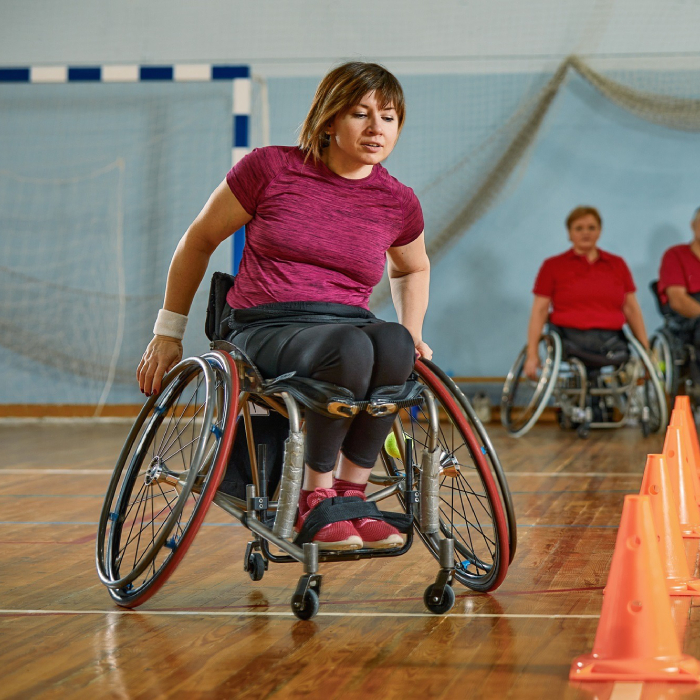
Life skills are abilities that help you manage daily tasks independently. They include cooking, budgeting, personal hygiene, and social communication effectively. Developing these skills gives you confidence and freedom every single day. With support and practice, every NDIS participant can achieve greater self-reliance.
Development of Life Skills Explained
Life skills are practical abilities you use in everyday living situations. They include personal care skills, money management, and household tasks. These skills help you live more independently in your community.
What Makes Life Skills Development Important?
- Managing your own health and wellbeing successfully
- Making better choices about food and nutrition
- Handling money responsibly and budgeting effectively
- Building meaningful relationships with others
- Finding work or volunteer opportunities easily
- Feeling confident in social situations daily
The development of life skills in Perth and across Australia supports participants to achieve their goals. Every person deserves the chance to thrive independently.
Core Life Skills for NDIS Participants
Personal Care and Hygiene
Personal hygiene skills help you stay healthy and feel good. This includes showering, brushing teeth, and choosing clean clothes. These habits build self-confidence and respect for yourself.
Money and Financial Management
Learning to budget helps you spend money wisely. You’ll understand saving, paying bills, and avoiding debt. Financial independence brings peace of mind and security.
Cooking and Nutrition
Meal preparation skills let you eat healthily and save money. Simple cooking builds confidence in the kitchen. Nutritious eating supports your physical and mental health.
Social and Communication Skills
Talking with others and making friends matter greatly. You’ll learn to express your feelings clearly and listen well. Strong relationships improve your overall quality of life.
How Does the Development of Life Skills Improve Independence?
Skills training reduces your dependence on constant support from others. You make decisions confidently about your own life matters. Life skills development NDIS supports true personal autonomy.
Greater independence means:
- Choosing how you spend your time daily
- Making decisions that reflect your values and preferences
- Managing your home and personal space independently
- Contributing to your community through work or volunteering
- Building self-esteem through achieving your own goals
- Experiencing freedom and control in your life
When you develop these skills, you feel empowered. You become more involved in decisions affecting your life. Independence brings dignity and genuine personal satisfaction.
Getting Started With Your Skills Development Journey
Set Clear and Achievable Goals
Choose one or two skills to focus on initially. Small wins build momentum and keep you motivated. Progress happens when you practice consistently over time.
Find Supportive Professional Guidance
A qualified provider can create a personalised learning plan. They offer encouragement and adapt teaching to suit you. An NDIS provider in Mirrabooka and beyond offers professional support. Look for someone who understands your specific needs well.
Practice Regularly and Celebrate Progress
Consistent practice turns new skills into lasting habits. You’ll see improvements in confidence and independence gradually. Celebrate small victories along your personal development journey.
The Benefits of Professional Support
Working with a trained skills coach makes learning easier. They break tasks into manageable steps for better understanding. The best life skills development services focus on your individual goals. Professional support accelerates your progress significantly.
A skills trainer will:
- Teach practical strategies tailored to you
- Provide patient, encouraging feedback regularly
- Help you overcome challenges and setbacks
- Track your progress and celebrate successes
- Connect you with community resources available
Conclusion
Developing life skills opens doors to greater independence and confidence. Every NDIS participant deserves support in achieving their personal goals. With proper guidance and consistent effort, self-reliance is absolutely achievable.
Ready to start your journey toward greater independence? Contact One Path Disability Services today for professional life skills coaching and support. Our experienced team is here to help you succeed.
- Phone: 04 5502 9103
- Email: admin@onepathdisability.com.au
- Website: https://onepathdisability.com.au/
Let’s build your path to independence together today!
Frequently Asked Questions
1. What exactly are life skills for NDIS participants?
Life skills are practical abilities needed for independent living. They include cooking, budgeting, personal hygiene, and social communication effectively.
2. Can anyone learn life skills regardless of disability?
Yes, everyone can learn life skills at their own pace. Individual support and teaching methods make learning possible for everyone.
3. How long does it typically take to develop new skills?
Learning timelines vary for each person and skill type. Consistent practice usually shows visible progress within weeks or months.
4. What’s the best age to start developing life skills?
You can begin developing life skills at any age. Earlier development helps, but it’s never too late to start.
5. How do I choose which life skills to focus on first?
Start with skills that matter most to your independence goals. A support worker can help you prioritise based on your needs.
6. Are there different teaching methods for different learning styles?
Yes, skilled providers adapt their teaching methods to suit you. Some people learn better through hands-on practice than others.
7. Can family members help with life skills development?
Absolutely, family support strengthens learning and progress significantly. Providers can work with families to reinforce skills at home.
8. How does developing life skills help with employment?
Strong life skills show employers you’re reliable and capable. Better workplace skills lead to better job opportunities overall.
9. What support is available if I struggle with a particular skill?
Providers can slow down teaching and break tasks into smaller parts. Different approaches and extra practice time help overcome challenges.
10. How do I know if I’m making good progress?
Your support worker tracks progress through goal monitoring regularly. You’ll notice improvements in confidence, independence, and daily task completion.