
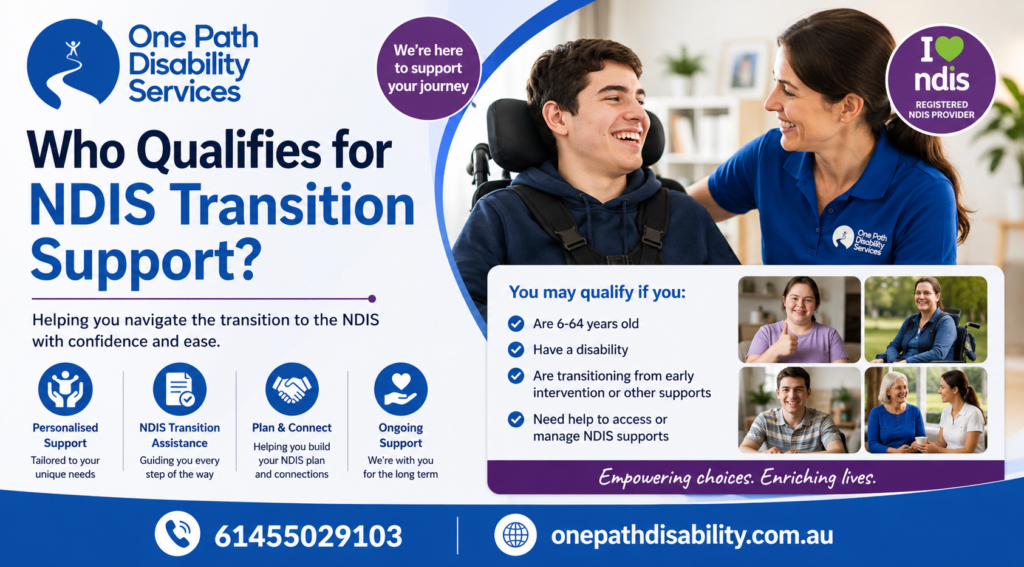
The National Disability Insurance Scheme offers transformative support pathways nationwide. NDIS transition support enables people to transition from state-funded disability services. This guide clarifies eligibility criteria and qualification requirements. Understanding your options ensures you access funding strategically.
Key Eligibility Requirements for NDIS Transition
Three core requirements determine your eligibility for the scheme. You must meet specific age criteria, residency conditions, and disability assessment standards.
Age Requirements
You must be aged between 0 and 64 years when you apply. This fundamental requirement applies to all applicants uniformly. Age verification occurs through existing government records. Planning conversations begin once you meet this threshold successfully.
Residency Criteria
You must live in Australia, making it your home and spending most of your time here. Australian citizenship or an eligible visa status is mandatory. Documentary proof demonstrates your permanent residency status effectively. This requirement ensures scheme participation for permanent residents.
Disability Requirements
Your disability must be caused by at least one permanent impairment affecting your functional capacity substantially. Evidence from medical professionals validates your condition thoroughly. Permanent impairments include intellectual, cognitive, neurological, sensory, or physical disabilities. Psychosocial disabilities caused by mental health conditions also qualify.
Life Transition Services: Supporting Your Journey
Life transition services provide comprehensive support during major life changes. These services help you navigate planning conversations effectively. Support coordinators guide your funding allocation decisions strategically. Your goals and priorities shape the support planning process.
What Services Are Covered?
NDIS transition support encompasses diverse support categories tailored individually:
- Personal care and daily living assistance
- Healthcare support and medication management
- Domestic help and household management support
- Capacity building and skill development activities
- Social participation and community access support
Your individualised plan specifies which services you receive. Planning meetings involve you, your family, and NDIS representatives. Your unique needs determine funding allocation decisions. Regular reviews ensure your plan remains relevant and responsive.
Independent Living Transition: Building Your Support Framework
Independent living transition empowers you to live more autonomously. The transition process strengthens your decision-making capacity significantly. Support coordinators help identify appropriate registered providers matching your needs. Your funding covers approved disability services you prioritise.
The Transition Timeline
The application process follows structured timeframes consistently:
| Stage | Duration | Key Action |
| Application Review | Varies | Submit medical evidence |
| Eligibility Decision | Up to 6 months | Receive approval notification |
| Planning Conversation | 6-12 weeks | Develop your support plan |
| Plan Commencement | On approval | Begin accessing approved supports |
Evidence Requirements for Qualification
You’ll need medical evidence from your doctor, specialist, or treating professional demonstrating your disability impacts daily life. Documentation strengthens your application significantly. Recent diagnostic reports support your eligibility assessment thoroughly. Functional assessments showing disability impacts prove essential.
Essential documentation includes:
- Full birth certificate or passport
- Medical reports from healthcare professionals
- Specialist assessments and diagnostic testing results
- Letters detailing how disability affects daily functioning
- Evidence of permanent impairment characteristics
Early Intervention Requirements
Some applicants qualify through early intervention pathways instead. Early intervention supports reduce future support needs and improve functional capacity. Children under six with developmental delays may qualify. Early access effectively prevents disability progression.
Next Steps: Beginning Your Transition Journey
Ready to explore your eligibility? Contact your local area coordinator today. Connect with NDIS partners supporting your initial assessment. Gather medical evidence demonstrating your support needs. Begin your transition conversation with confidence.
Your Path to Empowered Support Starts Here
Understanding eligibility requirements empowers you significantly. The transition process connects you to person-centred support options. Your goals guide your individualised funding allocation. Begin your journey towards greater independence and choice today.
Ready to learn more? Contact One Path Disability Services. Our team supports you through every transition step. Let’s build your future together with confidence and clarity.
Frequently Asked Questions
Q1: What if my disability isn’t on a specific NDIS list?
Having a disability not on recognised lists doesn’t prevent eligibility. Strong functional impact evidence may qualify you for funding.
Q2: How do I gather necessary medical evidence?
Contact your doctor, specialists, or therapists for comprehensive reports. Request documentation showing disability permanence and functional impacts.
Q3: Can I appeal an eligibility decision?
Yes, formal appeal processes exist through the NDIS. Request a decision review through your local NDIS office.
Q4: Do existing state supports continue during transition?
Yes, your current services continue until your NDIS plan commences fully. No service gaps occur during transition periods.
Q5: How often should I review my support plan?
Plans are typically reviewed annually or when circumstances change. Discuss review timing with your support coordinator.